Condition guide
Stem Cell Therapy for Plantar Fasciitis Before Surgery
A practical guide to plantar fasciitis care, from stretching and footwear to injections and stem cell therapy, with questions to ask before booking.
Educational content, not individual medical advice.
Editorial article. Medical team review pending.
Quick answer
Key points at a glance
- Plantar fasciitis causes heel pain, often worst with the first steps in the morning.
- Most people improve with rest from aggravating activity, stretching, supportive footwear and time.
- Injections or shockwave therapy may be discussed when pain persists.
- Stem cell therapy for plantar fasciitis has limited evidence and is considered only after assessment, never as a replacement for first-line care.

What is plantar fasciitis?
The plantar fascia is a band of tissue under the foot that supports the arch. Irritation where it attaches to the heel causes sharp heel pain, often on the first steps after rest. 1 (opens in a new tab)
Long hours standing, sudden increases in walking or running, and unsupportive shoes are common triggers.
What helps first?
- Stretching: calf and plantar fascia stretches daily
- Footwear: cushioned shoes with arch support, insoles
- Load changes: reduce running or long standing for a while
- Ice and pain relief: short-term symptom control
AAOS notes that most patients improve with these measures within several months. 2 (opens in a new tab)
When heel pain persists
If pain continues for six months or more despite consistent care, options such as a steroid injection, shockwave therapy or, rarely, surgery may be discussed. Each has trade-offs that our medical team will explain.
Stem cell therapy is studied for tendon and fascia problems, but evidence for plantar fasciitis is limited. It may be discussed for people who want to understand options before surgery. Compare treatments in PRP vs stem cell therapy vs cortisone.
Red flags
- Heel pain after a fall or injury
- Swelling, redness and fever
- Numbness or tingling in the foot
- Pain that wakes you at night
These need prompt medical review.
Typical symptoms and who gets it
Plantar fasciitis commonly affects people aged 40 to 60, runners, people who stand for long shifts and people carrying extra body weight. Flat feet, high arches and tight calf muscles can also play a part.
- Sharp or stabbing pain under the heel
- Pain worst with the first steps in the morning or after sitting
- Pain that eases with gentle walking, then returns after long periods on your feet
- Tenderness when pressing the inside of the heel
Other problems can feel similar, including heel stress fractures, nerve entrapment and Achilles tendon problems, so an examination matters before choosing any injection.
What happens during a consultation at JointCare Bangkok?
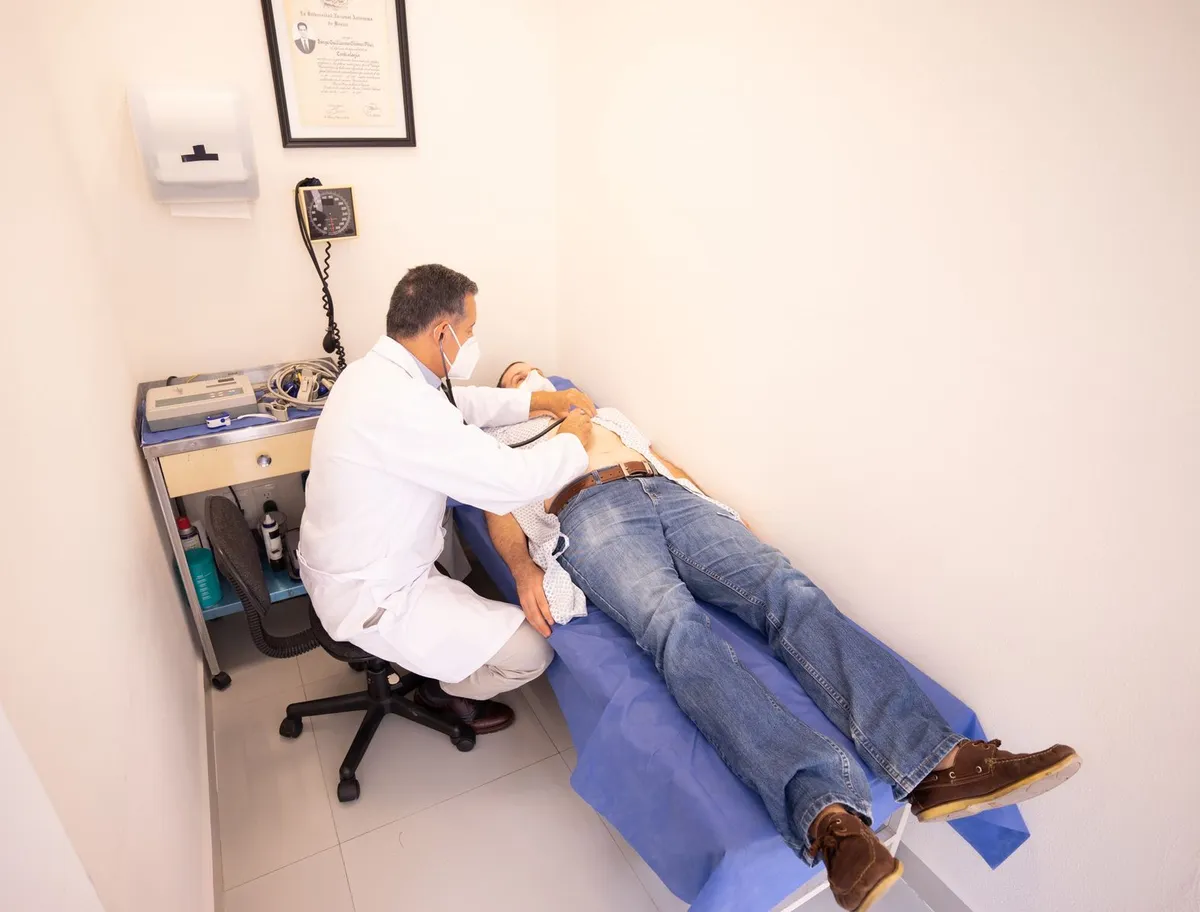
A first consultation usually starts with your story: when symptoms began, what makes them better or worse, and how they affect sleep, work, walking and travel. Our medical team then examines the area, checks strength and movement and reviews any scans or reports you bring.
- History review: previous injections, surgery, medicines and allergies
- Examination: movement, tenderness, swelling and nerve checks where relevant
- Imaging: existing X-ray or MRI reports, or a plan to arrange new imaging
- Discussion: established options, stem cell therapy, risks and what is uncertain
You should leave with a clear explanation of whether stem cell therapy is worth considering for you, what else should be tried or continued, and a written quote if you want one. There is no obligation to book treatment after a consultation, and you are encouraged to take time to decide.
Risks and honest expectations
Every injection carries some risk, including pain at the injection site, temporary swelling, bruising and, rarely, infection.
- Cell-based products also raise questions about preparation quality, donor screening and regulation.
- Ask for the consent information in writing and make sure your questions are answered before any procedure.
No clinic can promise a specific result. Responses vary between people, and some patients notice little change.
- Stem cell therapy works best as part of a wider plan that includes exercise, weight management where relevant and follow-up, rather than as a single fix.
- Read more about stem cell therapy side effects.
Planning from abroad
Many patients contact us from Australia, the UK, the USA and the Gulf before travelling. Sending reports early lets our medical team say whether a visit is reasonable before you book flights. It also helps plan the number of days you may need in Bangkok.
- Before you fly: share scan reports, a medication list and your main questions
- Trip length: allow time for consultation, any procedure, rest and a review visit
- Location: the clinic is in APAC Tower on Sukhumvit Road, next to BTS Ekkamai
- After you fly home: keep your local GP or specialist informed and plan follow-up
Travel insurance, flight timing and activity after any procedure should be discussed in advance. Read our orthopedic travel guide for more detail.
Planning a consultation in Bangkok
Bring notes on how long you have had pain, what you have tried and any scan results.
- Ask what is included in a quote and what aftercare is needed while walking around the city.
- Read about ankle and foot care, then send an enquiry.
This article is general education, not individual medical advice. Treatment suitability and outcomes vary, and our medical team will explain options after reviewing your history and imaging.