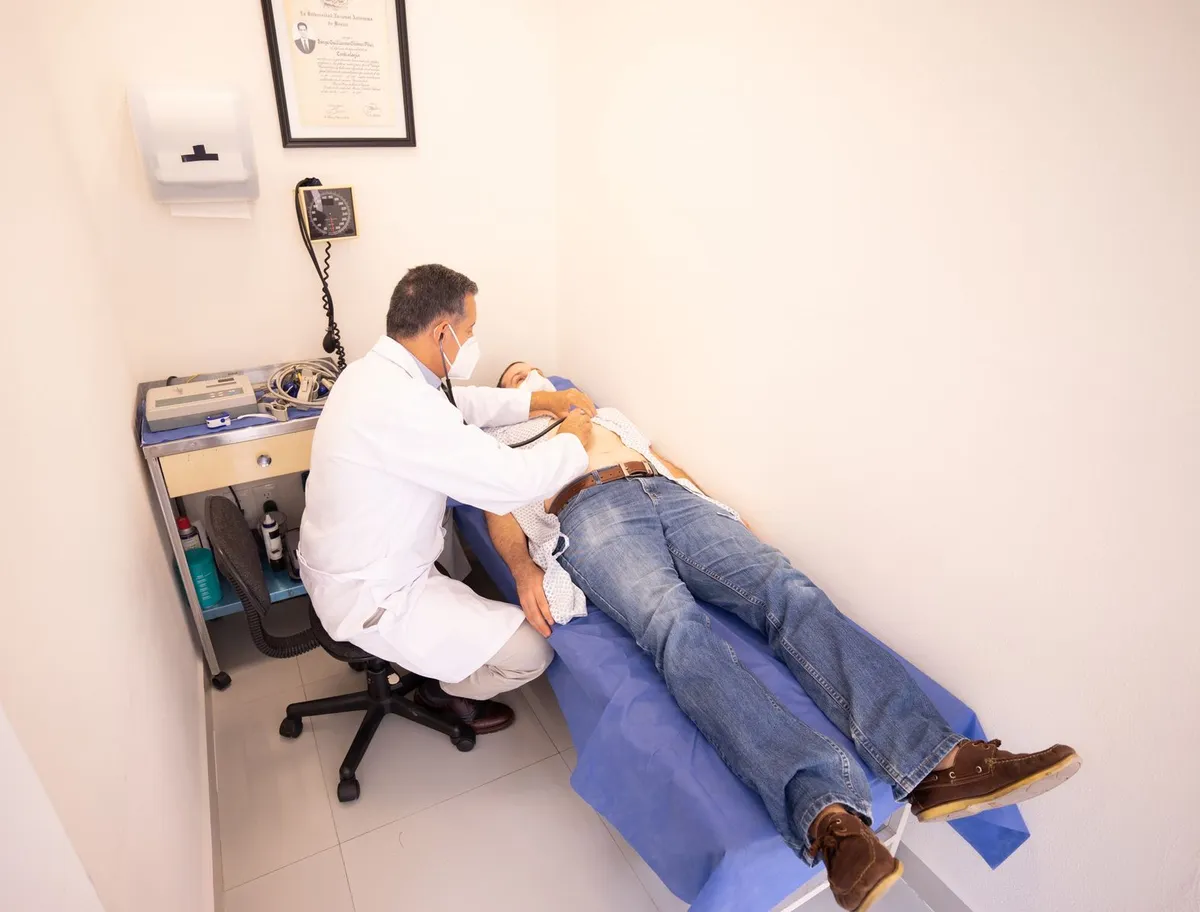
Safety
Stem Cell Therapy Side Effects: What to Ask Before You Book
Common and rare side effects of stem cell therapy explained plainly, plus the laboratory checks and questions to ask any clinic before you book.
Educational content, not individual medical advice.
Editorial article. Medical team review pending.
Quick answer
Key points at a glance
- Most side effects reported after stem cell injections into joints are short-lived, such as soreness and swelling at the injection site.
- Rare but serious problems, including infection, are more likely when cells are prepared without proper checks.
- Knowing what to ask before you book is the best way to lower risk.
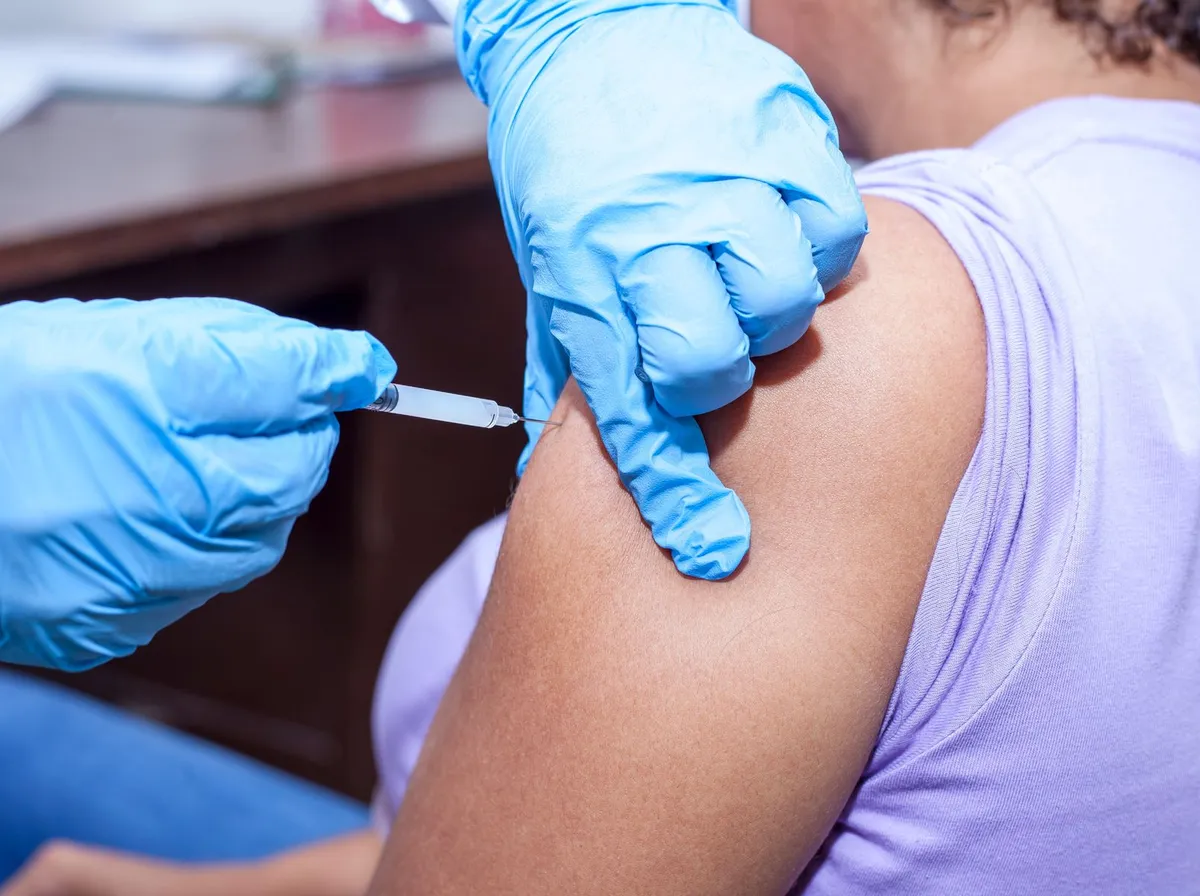
Common side effects after a joint injection
The most frequent effects are pain, swelling and stiffness in the treated joint for a few days. Some people notice mild bruising or warmth around the injection site. These usually settle with rest, ice and the aftercare advice given by the medical team.
Short-term tiredness or a mild temperature can also occur. Your aftercare sheet should tell you what is expected and when to call.
Rare but serious risks
Infection in the joint is uncommon but serious.
- Warning signs include a hot, red, increasingly painful joint, fever or feeling unwell.
- Allergic reactions and problems linked to contaminated or poorly prepared products have also been reported, which is why regulators warn people about unproven clinics.
Seek urgent medical help for any of these signs, wherever you are.
How a clinic lowers the risk
Risk depends heavily on how cells are sourced, prepared and tested.
- At JointCare Bangkok, cells are prepared and quality-checked in our own laboratory, each batch is tested before use, and a Certificate of Analysis is available on request.
- Sterile technique during the procedure matters just as much.
A careful assessment also lowers risk, because some people should not have the procedure at all.
Questions to ask before you book
Where do the cells come from? Who prepares them, and where? What tests does each batch pass? Can I see the Certificate of Analysis? Who performs the injection, and what follow-up is included if I have a reaction after flying home?
If a clinic cannot answer clearly, treat that as a warning. Our safety guide covers more.
Side effects and travelling home
For international patients we usually suggest staying a few days after treatment so the medical team can check the joint before you fly. You leave with written aftercare advice and a way to reach the team on WhatsApp if anything changes.
Who should not have stem cell therapy
The medical team will not recommend treatment if you have an active infection, certain current or recent cancers, a bleeding disorder that is not controlled, or a skin problem over the injection site. Pregnancy and some medicines that affect immunity also need careful review.
Be open about your full medical history, including supplements and recent illnesses. These details can change whether treatment is safe and how it should be planned.
What recovery usually feels like
First 48 hours: soreness and swelling are common, so rest, keep the joint elevated and use ice as advised. First week: gentle walking and normal daily tasks are usually fine; avoid running, heavy lifting and long hikes. Following weeks: a gradual return to exercise guided by the medical team and your physiotherapist.
Any change in how you feel is easier to judge against this pattern. Pain that is getting worse rather than better after the first few days is a reason to contact the team.
Red flags to watch for at home
Contact the medical team or seek urgent care if you have fever, chills, spreading redness, pus, severe pain that keeps increasing, or new numbness or weakness. Do not wait for a scheduled follow-up if these appear.
Keep the clinic's WhatsApp number and your treatment summary with you when travelling home, so any local medical team can see exactly what was done.
How the risks compare with other options
Every joint treatment carries some risk.
- Cortisone injections, PRP and hyaluronic acid share the small risk of infection and short-term flare.
- Surgery carries the additional risks of anaesthesia, blood clots and a longer recovery.
- Understanding these trade-offs helps you choose what fits your situation.
Documents you should receive
Before treatment you should receive a written consent form explaining the procedure, expected effects and risks in plain language. After treatment, ask for a summary listing the product used, the batch reference, the joint treated and your aftercare instructions.
Keep these papers with your medical records at home.
- If you see another medical team later, they will know exactly what was done, which makes any future care safer and simpler.
- A clinic that is comfortable sharing its laboratory documents is usually one that takes quality seriously.
Talk it through with the medical team
If side effects are your main concern, ask about them in a free first consultation. You will get clear answers before any decision is made.
This article is general information, not individual medical advice. The independent sources below do not endorse our clinic.