

Understanding joint health
Joint Conditions
From arthritis to an injury, understanding what is behind your joint pain is the first step towards a personal care plan.
Different causes. Individual care.
When everyday movement becomes difficult.
Pain, stiffness or swelling can have more than one explanation. These common conditions are a starting point for a conversation, not a diagnosis.
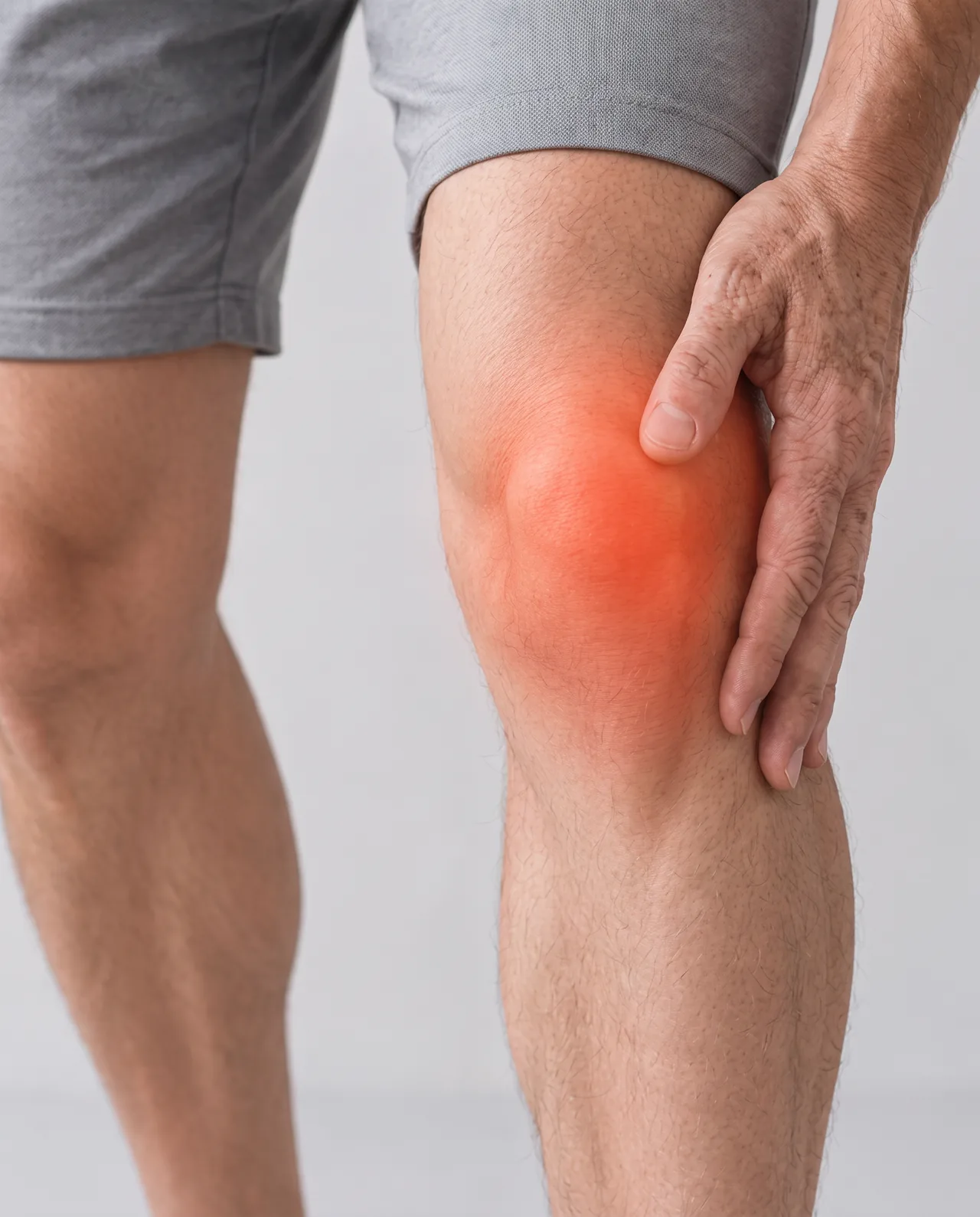
Osteoarthritis
Knee, hip, hand and other joints
Osteoarthritis
Knee, hip, hand and other joints
Osteoarthritis involves changes in the cartilage, bone and lining of a joint. It can cause pain during activity, stiffness after rest and difficulty with everyday movement.
Assessment and care
Assessment brings together your symptoms, examination and any relevant imaging. Care may include tailored exercise, activity adjustments, weight management where appropriate and a discussion of medicines or procedures.
Explore related joint care View condition pageRheumatoid arthritis
Inflammation in one or more joints
Rheumatoid arthritis
Inflammation in one or more joints
Rheumatoid arthritis is an autoimmune condition that can cause swollen, tender joints and prolonged stiffness, often affecting several joints.
Assessment and care
Early assessment and specialist rheumatology care matter. Medicines that control the condition are central to care; a joint procedure does not replace them.
Explore related joint care View condition pageCartilage and meniscus injuries
Often affecting the knee
Cartilage and meniscus injuries
Often affecting the knee
Cartilage damage and meniscus tears may follow a twist or injury, or develop over time. Symptoms can include pain, swelling, catching or difficulty bending the joint.
Assessment and care
A scan finding alone does not establish the cause of pain. Examination helps guide whether rehabilitation, activity changes or a surgical opinion may be appropriate.
Explore related joint care View condition pageTendon and ligament injuries
Shoulder, elbow, knee, ankle and more
Tendon and ligament injuries
Shoulder, elbow, knee, ankle and more
Tendons connect muscle to bone, while ligaments help hold joints steady. Repeated loading or an injury can lead to pain, swelling, weakness or instability.
Assessment and care
Care depends on the tissue involved and the extent of injury. A graded rehabilitation plan may be recommended; significant weakness or instability needs assessment.
Explore related joint care View condition pageRotator cuff problems and frozen shoulder
Shoulder pain and restricted movement
Rotator cuff problems and frozen shoulder
Shoulder pain and restricted movement
Rotator cuff problems can make lifting or reaching painful. Frozen shoulder typically causes pain and a progressive restriction in shoulder movement. These are different conditions.
Assessment and care
An examination helps distinguish them and identify other causes. Exercise, symptom management and further treatment are planned around the diagnosis and stage of the condition.
Explore related joint care View condition pageBack and neck disc problems
Spine, sometimes with arm or leg symptoms
Back and neck disc problems
Spine, sometimes with arm or leg symptoms
Changes in spinal discs may occur with or without pain. When nearby nerves are irritated, symptoms can include pain travelling into an arm or leg, tingling or numbness.
Assessment and care
Symptoms and examination must be considered alongside imaging. New weakness or bladder or bowel changes require urgent medical assessment rather than an enquiry reply.
Explore related joint care View condition pageSports and overuse injuries
Activity-related joint and tendon pain
Sports and overuse injuries
Activity-related joint and tendon pain
A sudden increase in training, repeated movements or a sporting injury can overload joints and surrounding tissues. Pain may appear during activity or afterwards.
Assessment and care
Assessment considers your training, technique, recovery and previous injuries. A gradual return to activity should be tailored to the injury rather than pushing through worsening pain.
Explore related joint care View condition pageChronic joint pain
Persistent or recurring discomfort
Chronic joint pain
Persistent or recurring discomfort
Chronic joint pain describes ongoing symptoms, not a single diagnosis. Several factors can contribute, and the amount of pain does not always match changes seen on a scan.
Assessment and care
A review of your history, daily activities and previous care can help clarify the next step. Management may combine movement support, symptom relief and follow-up.
Explore related joint care View condition pageYour care options
Where does stem cell therapy fit?
Having joint pain does not automatically mean stem cell therapy is suitable. Our medical team reviews your diagnosis, records and previous care before discussing whether it may be considered.
Ask about alternatives, possible risks, costs and follow-up. No specific result can be promised, and stem cell therapy does not replace specialist care for an underlying condition.
Questions to ask about safetySeek urgent medical help for a hot, swollen joint with fever, sudden severe pain or inability to bear weight, or new weakness, numbness, or bladder or bowel changes. Do not wait for a contact-form reply.
A personal next step