Physiotherapy and exercise
Guided movement, strength, and activity planning.
Understand · 01
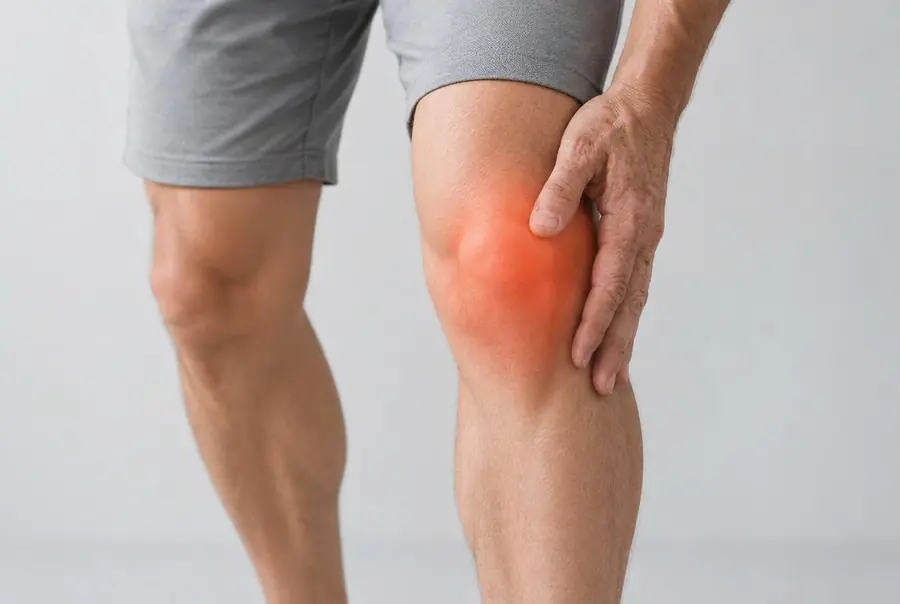
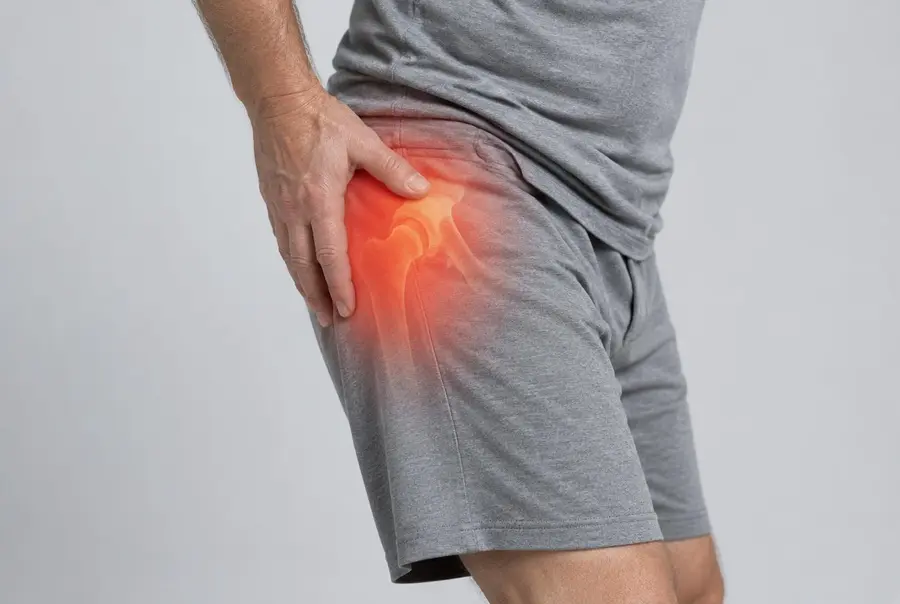
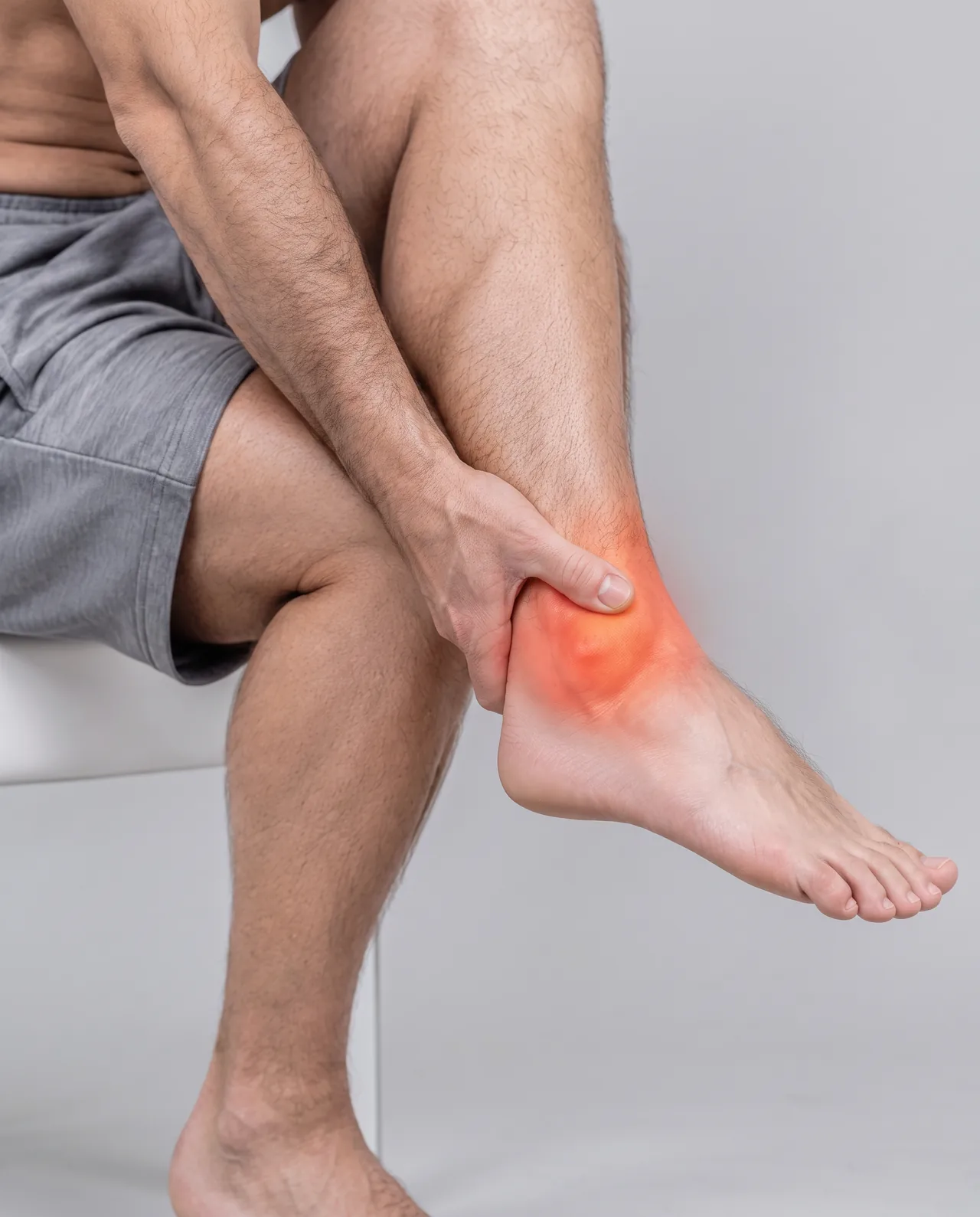
Pain may begin in a joint, tendon, ligament, fascia, bone, or nerve. Sprains, repeated loading, previous injury, arthritis, changes in foot shape, and some health conditions can all contribute. The location and pattern of symptoms help guide assessment.
Explore · 02
The cause, health history and goals guide your options.
Guided movement, strength, and activity planning.
Medicines used within a wider care plan.
A substance placed into or around the affected area.
Repairing, stabilising, or replacing damaged tissue.
Prepared cells administered after clinical screening.
Explore · 03
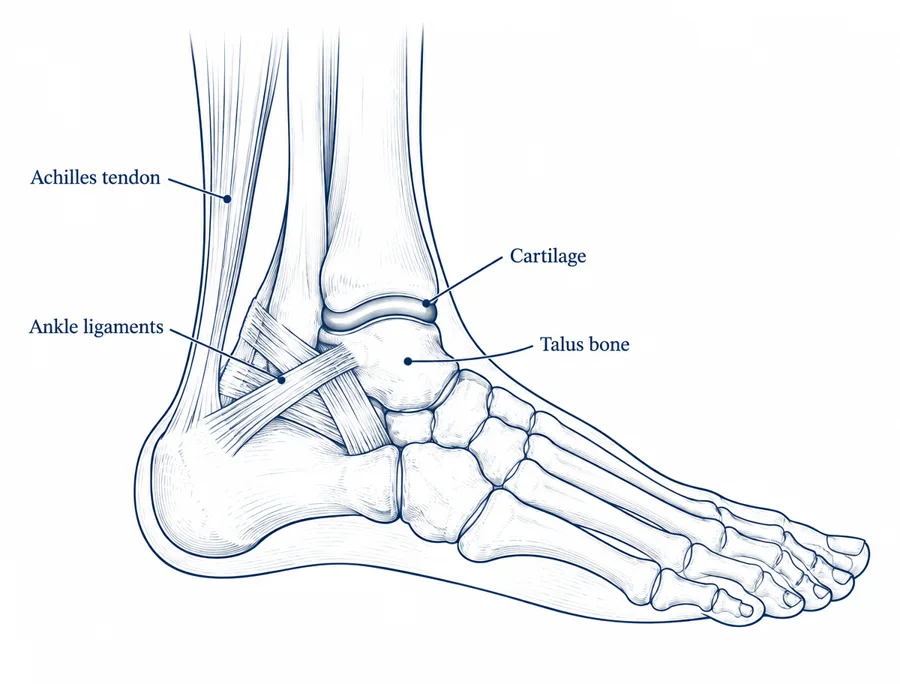
The ankle joint, Achilles tendon and plantar fascia have different jobs. Cartilage helps the ankle move smoothly, tendons transfer muscle force, and the plantar fascia supports the arch. Pain in these areas can feel similar, but a treatment aimed at one structure is not automatically appropriate for another.
The proposed role of mesenchymal stromal cells is to release biological signals that interact with nearby cells and immune activity. For an ankle joint concern, the discussion centres on the joint environment and inflammatory signaling. For a tendon concern, it centres on the tissue response to repeated loading. These are proposed actions, not a prediction of pain relief or tissue repair.
Cells do not mechanically stabilise a loose ankle, reconnect a ruptured Achilles tendon or correct foot alignment. They should not be presented as a way to rebuild missing cartilage. Footwear, load management, rehabilitation or surgical assessment may still be necessary.

Explore · 04
Trust · 05

Share symptoms and questions.
Review history, medicines and scans.
Discuss options, timing and pricing.
Receive care and activity guidance.

Recovery and return to activity depend on the procedure and your health. Confirm activity and flight timing with your medical team.
Decide · 06