Physiotherapy and exercise
Guided movement, strength, and activity planning.
Understand · 01
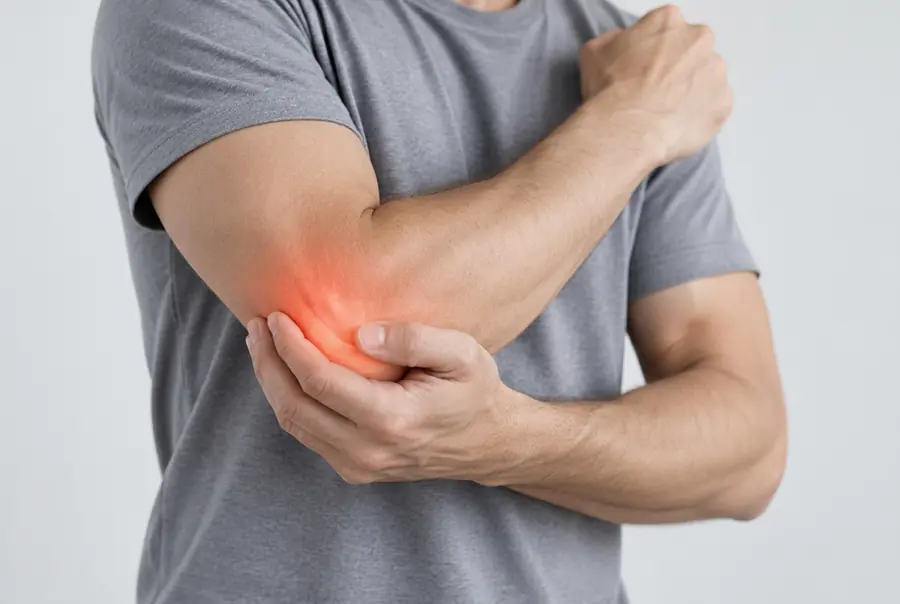
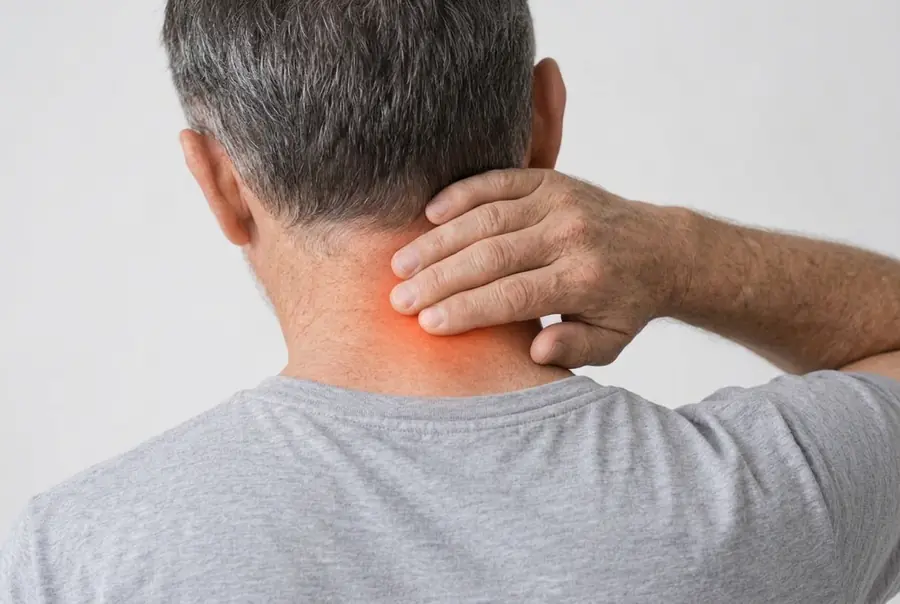
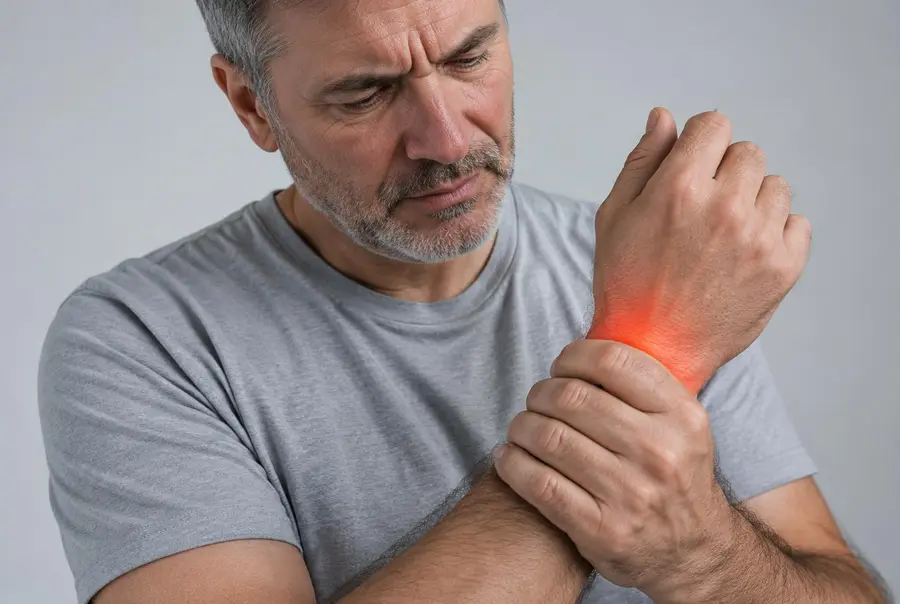
Tendon overload, joint change, injury, stiffness, instability, and pain referred from the neck can contribute. Age, activity demands, previous injury, diabetes, and changes in training or work may influence the pattern.
Explore · 02
The cause, health history and goals guide your options.
Guided movement, strength, and activity planning.
Medicines used within a wider care plan.
A substance placed into or around the affected area.
Repairing, stabilising, or replacing damaged tissue.
Prepared cells administered after clinical screening.
Explore · 03
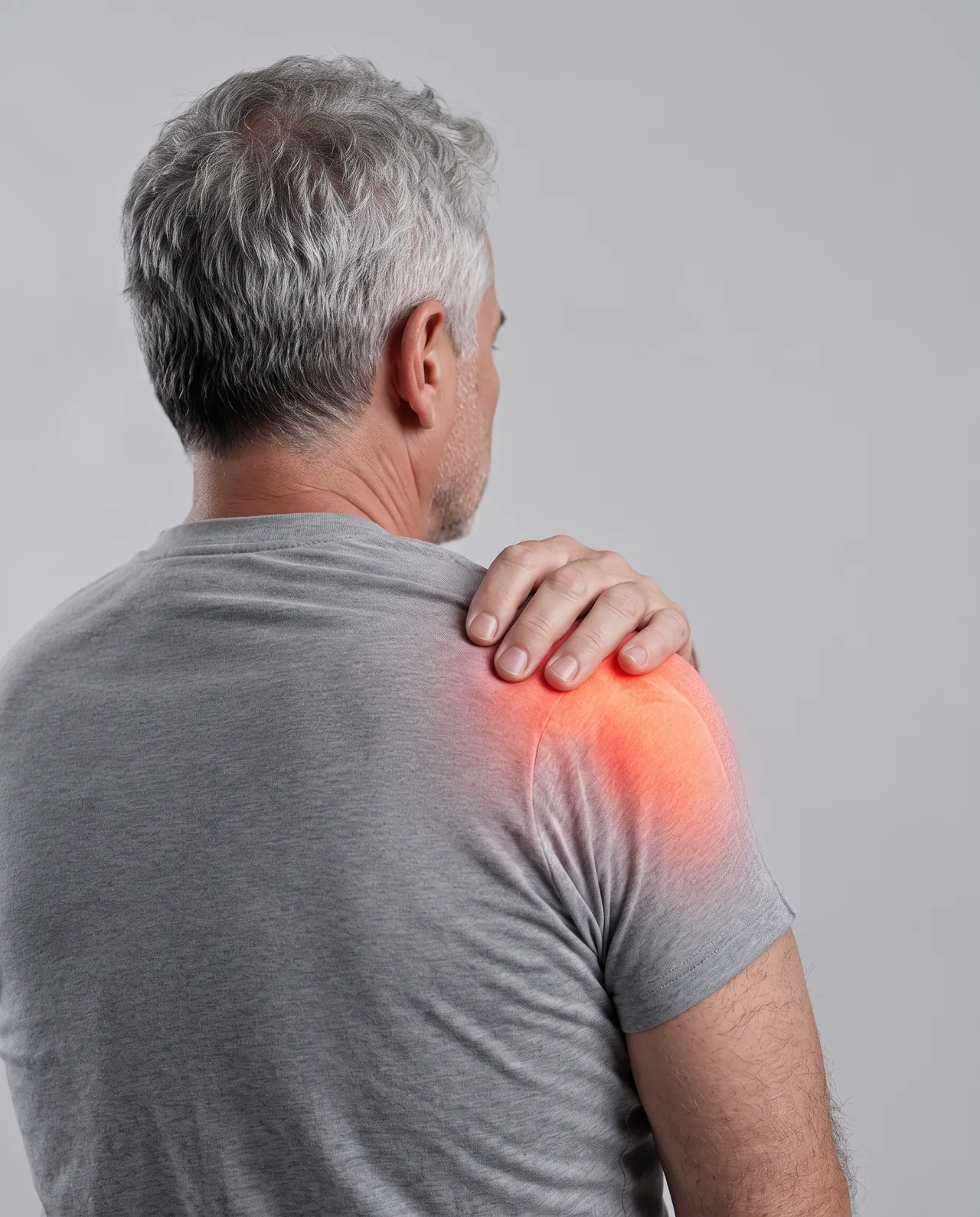
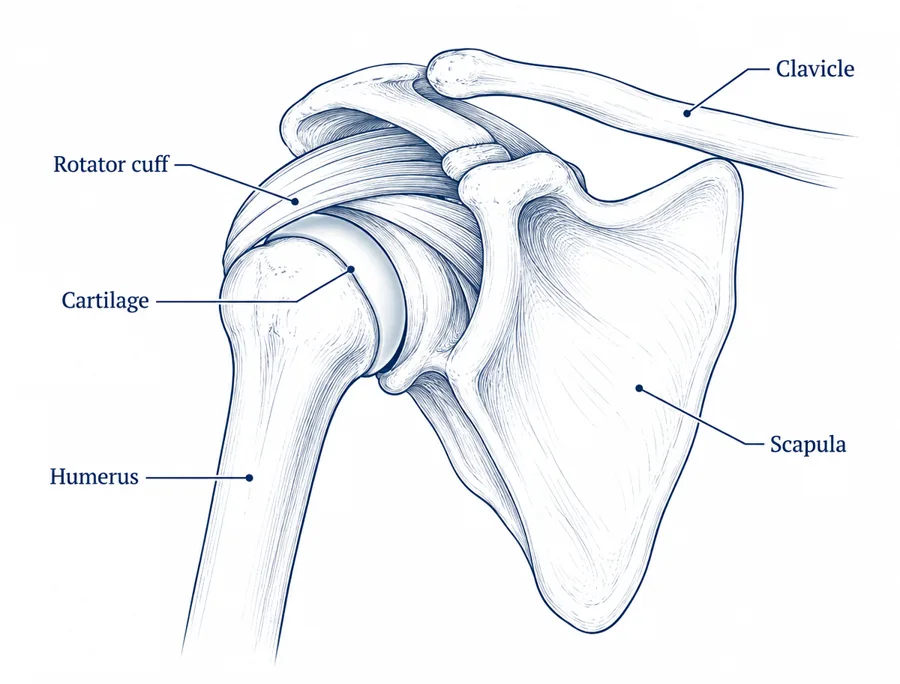
The shoulder includes a ball-and-socket joint and the rotator cuff tendons that help lift and rotate the arm. Joint arthritis, tendon problems and frozen shoulder affect different tissues. Knowing which structure is involved matters more than the label ‘shoulder pain’ alone.
The proposed role of mesenchymal stromal cells is to release biological signals that interact with nearby cells and inflammatory pathways. For a tendon concern, the discussion focuses on the local tendon environment; for arthritis, it focuses on the joint environment. This is not the same as cells becoming a new tendon or a replacement cartilage surface, and an individual response cannot be predicted.
Cells do not mechanically reconnect a fully torn rotator cuff, stabilise a dislocating shoulder or release a tight joint capsule in frozen shoulder. Rehabilitation, activity changes and, for some structural problems, surgical assessment may still be needed. A cell based approach should not delay appropriate care.

Explore · 04
Trust · 05

Share symptoms and questions.
Review history, medicines and scans.
Discuss options, timing and pricing.
Receive care and activity guidance.

Recovery and return to activity depend on the procedure and your health. Confirm activity and flight timing with your medical team.
Decide · 06