Treatment comparison
PRP vs Stem Cell Therapy vs Cortisone for Joint Pain
A plain comparison of cortisone, PRP and stem cell therapy injections for joint pain: how each works, what the evidence says and how to choose with your medical team.
Educational content, not individual medical advice.
Editorial article. Medical team review pending.
Quick answer
Key points at a glance
- Cortisone injections calm inflammation and often ease pain for weeks to months.
- PRP uses concentrated platelets from your own blood, and evidence for knee osteoarthritis is mixed but growing.
- Stem cell therapy uses prepared cells studied for their effect on inflammation and the joint environment.
- None is right for everyone, and the choice depends on diagnosis, history and goals.
Cortisone injections
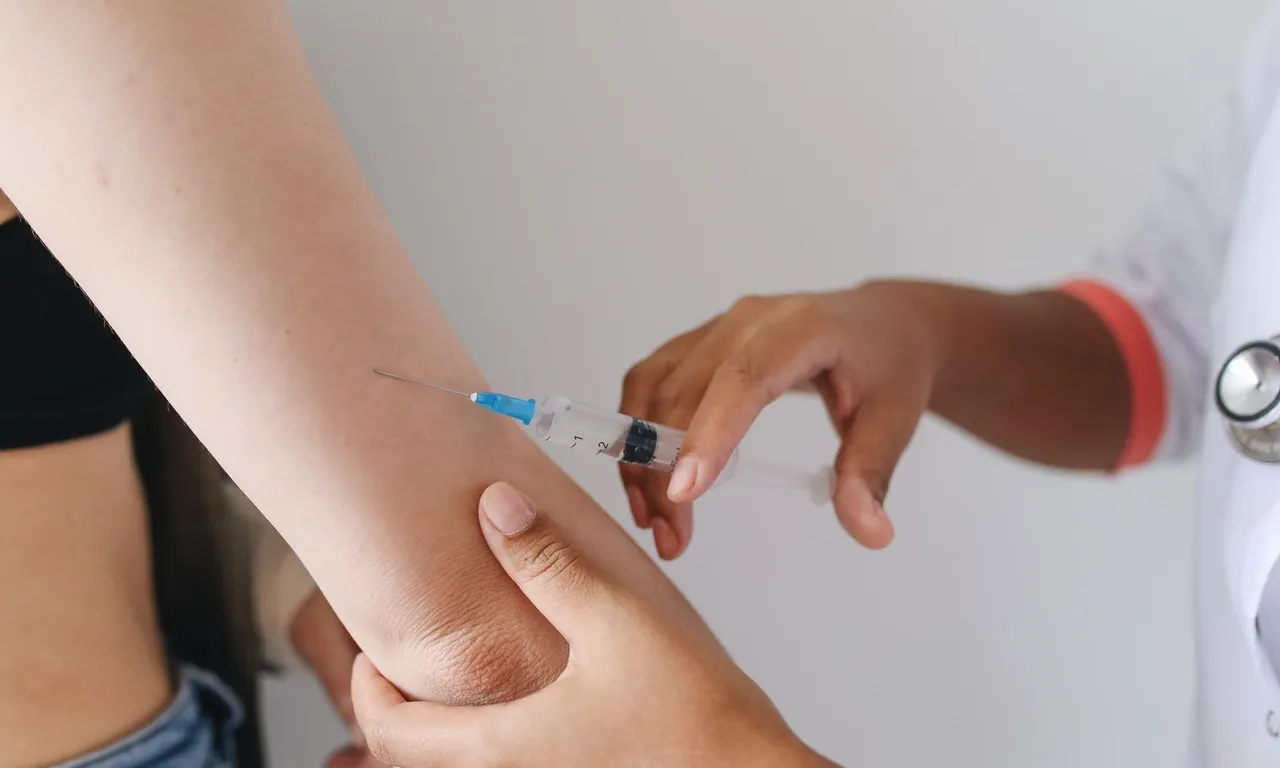
Cortisone (steroid) injections are a strong anti-inflammatory placed into or around a painful joint. They are widely available, quick and often ease pain for a period of weeks to a few months.
They do not change the underlying wear, and repeated injections into the same joint are usually limited because of possible effects on cartilage and tendons. People with diabetes may notice higher blood sugar for a few days.
PRP (platelet-rich plasma)
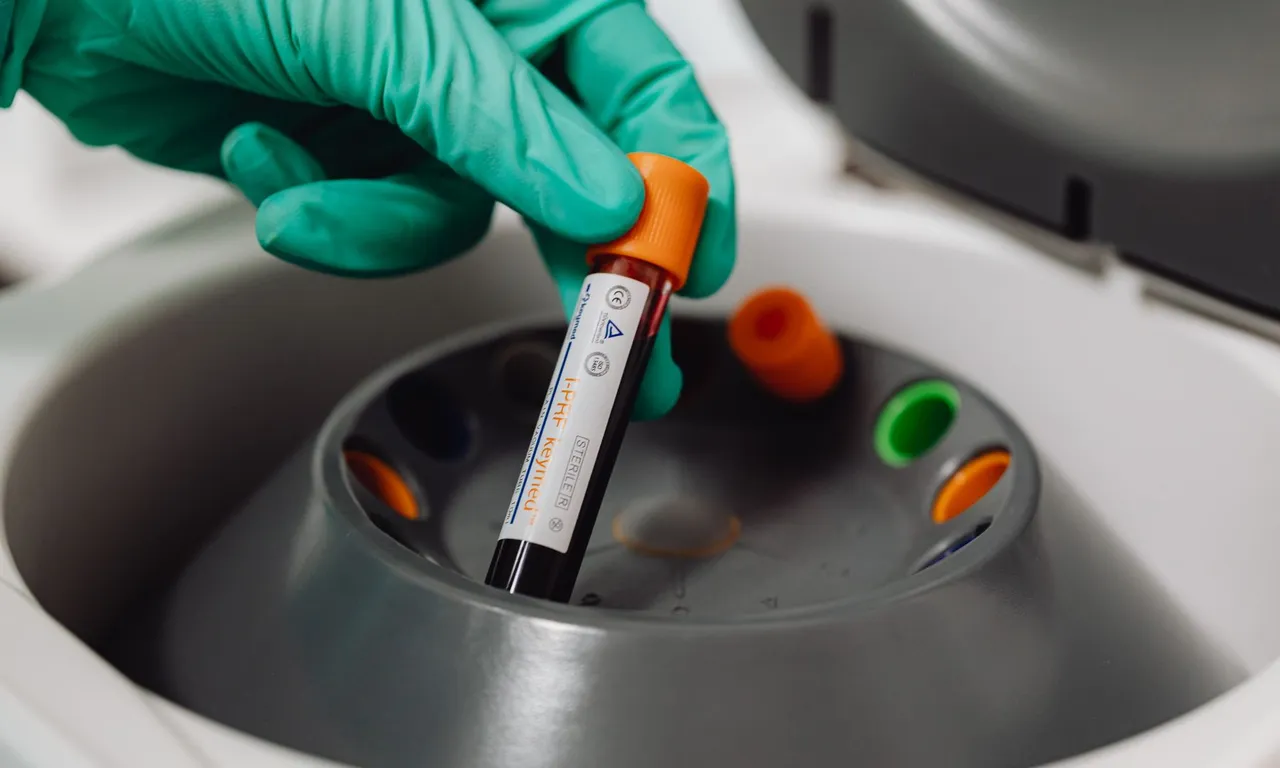
PRP is made by taking a small amount of your own blood and spinning it to concentrate the platelets, which carry growth signals. It is then injected into the joint or tendon.
Studies in knee osteoarthritis and some tendon problems show mixed results. Preparation methods vary between clinics, which makes comparisons hard. A course often involves one to three injections.
Stem cell therapy
Stem cell therapy for joints usually means an image-guided injection of mesenchymal stromal cells. At JointCare Bangkok these come from screened donated umbilical cord tissue and are prepared and tested in our own laboratory, with a Certificate of Analysis for each batch.
The cells are studied mainly for the signals they release, which may influence inflammation and the joint environment.
- Studies are ongoing and results vary; it does not grow a new joint.
- Read what stem cell therapy is and how it works.
Side by side
- Source: cortisone is a medicine; PRP comes from your own blood; stem cell therapy uses prepared donor cells
- Main aim: cortisone calms inflammation quickly; PRP and stem cell therapy are studied for longer-term effects on the joint environment
- Visits: cortisone is a single short appointment; PRP is often a short course; stem cell therapy follows an assessment and planned treatment day
- Recovery: all usually allow walking the same day, with a few days of lighter activity
Costs differ widely. Ask for a written quote after assessment, and compare it with options at home.
Side effects to know about
All joint injections carry a small risk of infection, bleeding or a short flare of pain in the days afterwards.
- Cortisone can also cause skin thinning or lighter skin at the injection site, facial flushing and a short rise in blood sugar.
- PRP and stem cell therapy commonly cause soreness and swelling for a few days, which usually settles with rest and ice.
Ask any clinic how they keep the procedure sterile, whether injections are guided by ultrasound, and what to do if the joint becomes hot, red or very swollen. Our article on stem cell therapy side effects covers this in more detail.
How the choice can differ by joint
- Knee osteoarthritis: the joint most often studied for PRP and stem cell therapy; cortisone is commonly used for flare-ups
- Shoulder tendons: cortisone is used carefully near tendons; PRP and stem cell therapy are sometimes discussed for persistent tendon pain. See our rotator cuff guide
- Hip: injections are usually guided by imaging because the joint is deep
- Back and neck: injection options depend closely on the exact source of pain
Whatever the joint, injections work best as part of a plan that includes strengthening, weight management where relevant and activity changes, rather than on their own.
Comparing options from abroad
Many patients who contact us have already had cortisone or PRP at home and want to know whether stem cell therapy is worth discussing. Bring the dates and details of past injections, because timing matters: the medical team usually recommends a gap after a recent cortisone injection before other treatment.
If you are travelling to Bangkok, the assessment, treatment day and follow-up check can usually be planned within one stay. Our clinic is next to BTS Ekkamai on Sukhumvit Road.
How to choose
The right choice depends on your diagnosis, how long you have had pain, what you have already tried and your goals.
- Mild flare-ups may settle with rehab and a single cortisone injection.
- Longer-standing osteoarthritis is where patients more often discuss PRP or stem cell therapy.
Questions worth asking: what is the diagnosis, what does the evidence say for my joint, how many injections are planned, and what happens if nothing changes? See our knee treatment page and osteoarthritis guide.
Get an honest opinion
Our free first consultation can start online. Share your scans and the medical team will explain which options make sense for your joint, including when another approach may suit you better. Send us a message or reach us on WhatsApp.
This article is general information, not a diagnosis or a promise of a particular outcome. The independent sources below do not endorse our clinic.