Treatment comparison
Hyaluronic Acid Injections vs Stem Cell Therapy for Knee Pain
A plain comparison of hyaluronic acid gel injections and stem cell therapy for knee osteoarthritis, and the questions to ask before choosing.
Educational content, not individual medical advice.
Editorial article. Medical team review pending.
Quick answer
Key points at a glance
- Hyaluronic acid injections add a lubricating gel to the knee and are widely available, though some guidelines do not recommend them because benefits in studies are small.
- Stem cell therapy injects laboratory-prepared cells and is still being studied, with results that vary.
- Neither replaces exercise, and neither rebuilds a worn joint.
What hyaluronic acid injections are
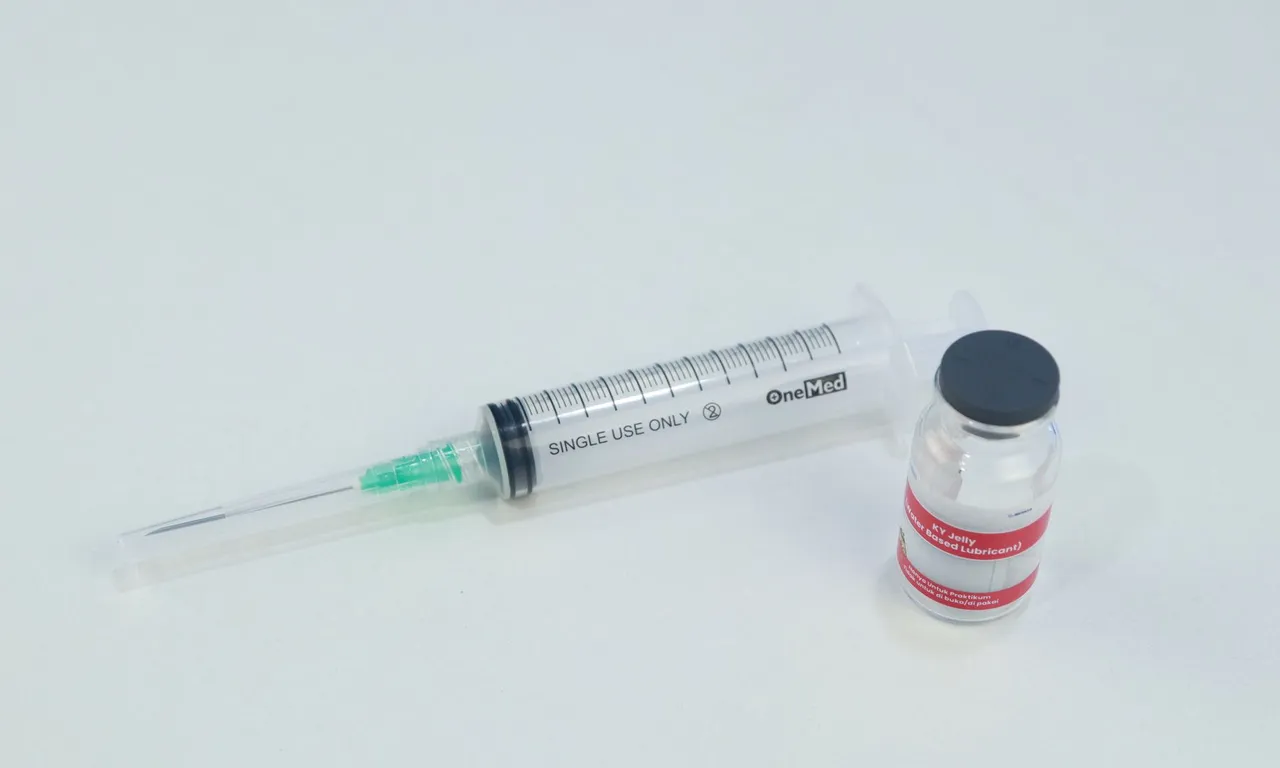
Hyaluronic acid, often called a gel or lubricant injection, is a substance naturally found in joint fluid. The injection aims to improve cushioning and ease pain in knee osteoarthritis.
Courses range from a single injection to several weekly injections. Some people report easier movement for a few months; large reviews show modest average benefit, and UK guidance (NICE) does not recommend them.
What stem cell therapy is
Stem cell therapy at JointCare Bangkok is an ultrasound-guided injection of umbilical cord-derived mesenchymal stromal cells, prepared and tested in our own laboratory. The cells are studied for how they may influence inflammation in the joint.
Studies are ongoing and results vary between people. Read what stem cell therapy is and how it works.
Side-by-side
- How it works: gel adds lubrication; cells are studied for effects on inflammation
- Visits: gel may need one to several injections; stem cell therapy is usually planned as a single treatment visit with follow-up
- Evidence: gel has many studies with small average effects; stem cell therapy has a smaller, growing body of studies
- Cost: stem cell therapy usually costs more; ask for a written quote for either
What both have in common
Neither option rebuilds worn cartilage, and both work best alongside strengthening exercise and weight management. Both carry small risks such as temporary swelling, and rarely infection.
Who usually asks about each option
People often ask about hyaluronic acid when they have mild to moderate knee osteoarthritis, have tried exercise and pain relief, and want a widely available injection with a familiar track record. It is sometimes chosen by people who prefer to avoid repeated cortisone injections.
People tend to ask about stem cell therapy when knee pain has lasted a long time, other injections have not helped as much as hoped, and they want to understand whether a cell-based option could suit them before considering surgery. It is not suitable for everyone, and a knee with severe wear is often better served by a surgical review.
For both options, the stage of wear on your X-ray or MRI matters a great deal. Your age, weight, activity level and other health conditions also shape which choice makes sense.
What happens after the injection
After either injection, most people are advised to take it easy for a day or two, avoid heavy exercise for a short period, and then return to a structured strengthening programme. A mild ache or swelling for a few days is common.
Contact the clinic promptly if the knee becomes hot, very swollen or red, or if you develop a fever. These are uncommon but need checking quickly.
Keep a simple record of pain, walking distance and sleep for several weeks. This helps you and the medical team judge honestly whether the treatment was worthwhile, and what to try next if it was not.
Questions people often ask
Can I have both? Some people try hyaluronic acid first and later ask about stem cell therapy, or the other way round. The medical team will advise on timing and whether combining makes sense for your knee.
Is either option painful? Most people describe a short period of pressure or discomfort during the injection. Ultrasound guidance helps place the needle accurately.
How long does the effect last? It varies widely between people and is not guaranteed for either option. Ask any clinic what follow-up they plan, and how they will judge whether it helped.
Can I travel to Bangkok for a knee injection? Yes, many international patients do. Sending your knee scan report first lets the medical team say whether a trip is worthwhile. Our clinic is next to BTS Ekkamai.
Will I still need exercise? Yes. Strengthening the thigh and hip muscles remains the base of knee osteoarthritis care whichever injection you choose.
Thinking about cost and value
Hyaluronic acid courses are usually cheaper per visit, but some people repeat them over time.
- Stem cell therapy usually costs more as a single treatment.
- Comparing only the headline price can be misleading, so ask what each quote includes: assessment, imaging review, the injection itself, follow-up checks and any rehab advice.
For international patients, flights and accommodation also form part of the total. A clear written quote after the free first consultation lets you compare options fairly and plan your budget without surprises.
Questions to ask before choosing
- How much wear do my scans show?
- What has the clinic seen in people with similar knees?
- What is included in the price, and what follow-up is planned?
- For stem cell therapy: where do the cells come from and is a Certificate of Analysis available?
Our PRP vs stem cell therapy vs cortisone guide covers the other common injections.
Talk it through with our medical team
Send your knee scan report and the medical team will give you an honest view of which options fit, free of charge. Send us a message or see our knee treatment page.
This article is general information, not a diagnosis or a promise of a particular outcome. The independent sources below do not endorse our clinic.