Condition guide
Tennis Elbow That Won't Go Away: Treatment Options to Discuss
Why tennis elbow can last for months, what usually helps first, and how injections and stem cell therapy fit when pain persists.
Educational content, not individual medical advice.
Editorial article. Medical team review pending.
Quick answer
Key points at a glance
- Tennis elbow is a painful overload of the tendon on the outer elbow.
- Many cases settle within a year with activity changes and graded strengthening exercise.
- Steroid injections can ease pain short term but are linked with more return of symptoms later.
- Stem cell therapy is an option some people discuss when pain lasts many months.
What tennis elbow is
Tennis elbow, or lateral epicondylalgia, is pain where the forearm muscles attach to the outer elbow. It comes from repeated gripping and wrist movements, and most people who get it do not play tennis.
It is common in people who use a mouse, tools or carry bags for long periods, especially between the ages of thirty and sixty.
Common symptoms
- Pain on the outer elbow, sometimes spreading down the forearm
- Pain gripping, lifting a kettle or shaking hands
- Weak grip on bad days
- Tenderness when pressing the bony point on the outside of the elbow
What usually helps first
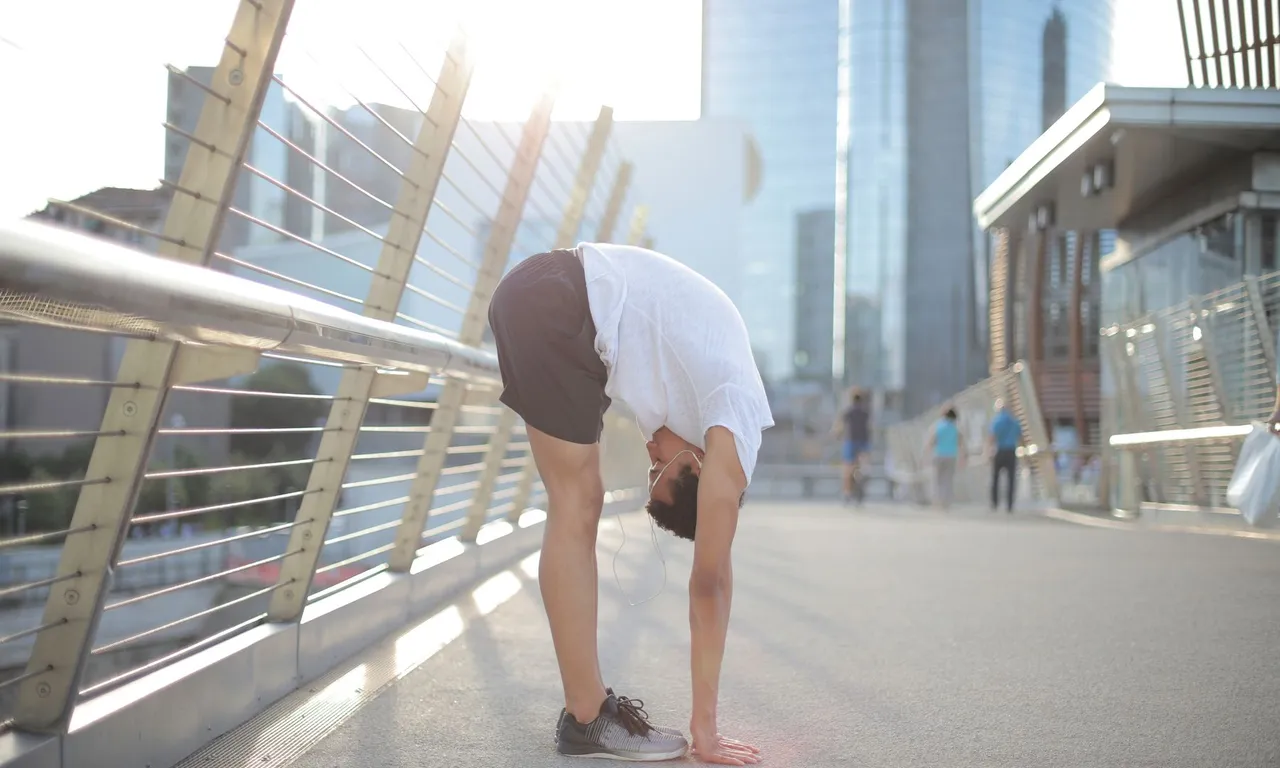
Reducing the aggravating activity, without stopping all use, is the first step. Graded strengthening exercise for the wrist and forearm, guided by a physiotherapist, is the treatment with the most support over the long term.
A forearm strap can ease pain during tasks. Changing grip size, mouse position or tool handles helps many desk and manual workers.
Injections and stem cell therapy
Steroid injections can give short-term relief, but studies link them with higher rates of pain returning later, so many guidelines advise caution. PRP is offered by some clinics, with mixed evidence.
Some people with pain lasting many months ask about stem cell therapy, an ultrasound-guided injection of laboratory-tested cells.
- Studies are ongoing and results vary.
- See our elbow treatment page and tendon and ligament conditions.
When to ask for a scan
An ultrasound or MRI is worth discussing if pain lasts more than three to six months despite exercise, if you have numbness or tingling in the hand, or if the elbow locks or gives way.
Get prompt care if
Seek prompt care for a sudden pop with bruising after lifting, a hot, swollen elbow, fever, or loss of feeling in the hand.
Why tennis elbow can last so long
Tendons have a modest blood supply and adapt slowly.
- When a tendon is overloaded again and again, its structure changes and it becomes more sensitive to load.
- That is why rest alone often helps for a while, then pain returns as soon as normal work starts again.
Graded exercise works by slowly building the tendon's capacity to cope with load.
- It usually feels a little uncomfortable at first, and progress is measured in weeks and months, not days.
- Most programmes start with gentle holds and move on to slow lifting and lowering of a light weight with the wrist.
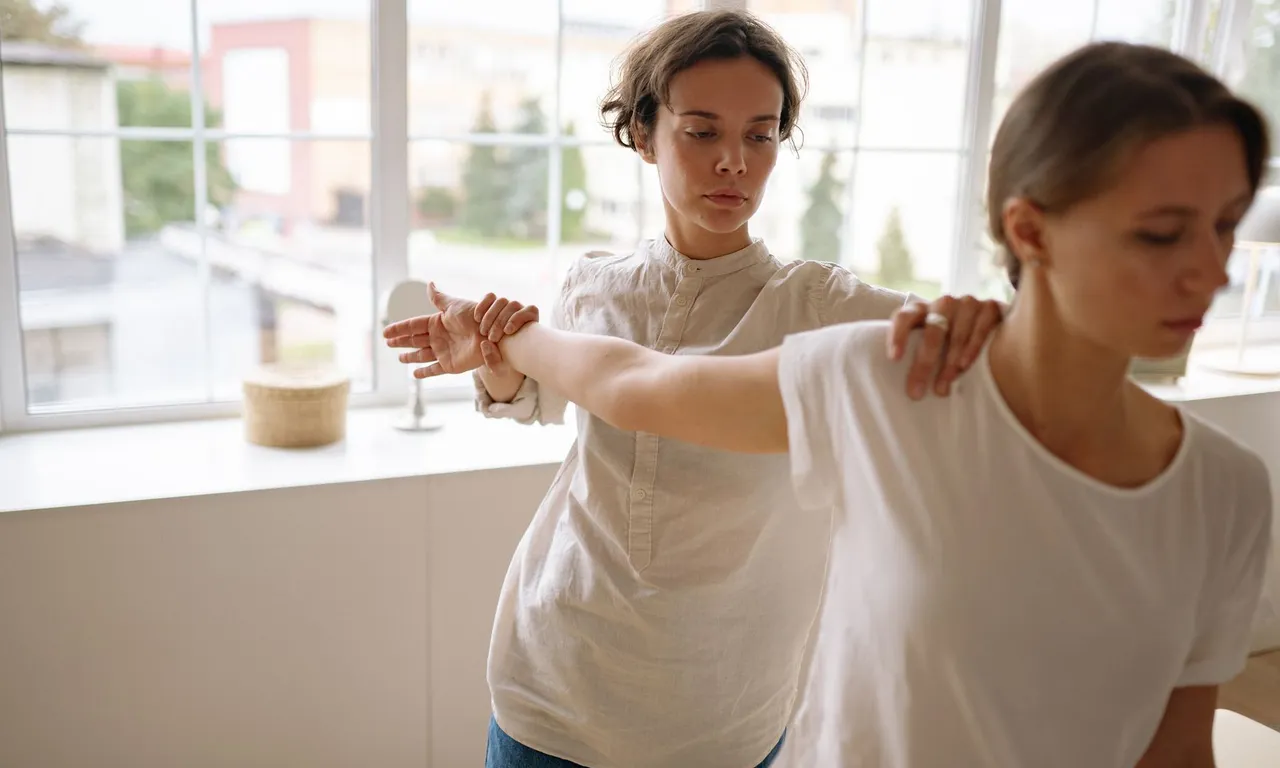
Many people with stubborn tennis elbow also have tight or weak shoulder and upper back muscles, or a desk set-up that keeps the wrist bent back for hours. Looking at the whole arm, not only the elbow, is often part of a good plan.
Small changes at work and home
- Lift with the palm facing up where you can, which puts less strain on the outer elbow
- Use a thicker grip on tools, pens and rackets
- Keep the wrist level with the keyboard and mouse instead of bent back
- Take short breaks every thirty to forty minutes during repetitive tasks
- Carry bags with the arm straight by your side or on the other arm
These changes rarely fix tennis elbow on their own, but they reduce the daily load so that exercise and other treatment have a better chance of working.
If you play racket sports, a coach can check your grip size, string tension and backhand technique, which are common contributors.
Questions people often ask
Will tennis elbow go away by itself? Many cases settle within one to two years, but that is a long time to live with pain at work. A structured plan usually makes the path clearer and gives you more control.
Should I stop using my arm? Complete rest is rarely advised. Keeping the arm active within comfort, while reducing the tasks that clearly flare it, tends to work better than stopping everything.
Is a brace enough? A forearm strap can reduce pain during tasks, but it works best alongside exercise, not as the only treatment.
Can I travel to Bangkok just for an elbow? Some people do, often combining it with a holiday. Sending an ultrasound or MRI report first lets the medical team say whether an in-person visit is worthwhile before you book anything.
How soon will I know if a treatment is helping? For exercise, give it at least six to twelve weeks. For injections, the medical team will explain what to watch for and when to check in.
Talk it through with our medical team
Send a short description and any scan report and the medical team will reply with an honest view, free of charge. Send us a message or reach us on WhatsApp. Our clinic is next to BTS Ekkamai in Bangkok.
This article is general information, not a diagnosis or a promise of a particular outcome. The independent sources below do not endorse our clinic.