Clinic News
Why a personal assessment matters
See why joint pain advice should account for your symptoms, examination, health history, goals, and treatment evidence.
Educational content, not individual medical advice.

At a glance
General information can help you ask better questions, but it cannot determine your diagnosis or treatment suitability. A personal assessment looks at the details that a general article cannot know.
Why the same symptom can need different advice
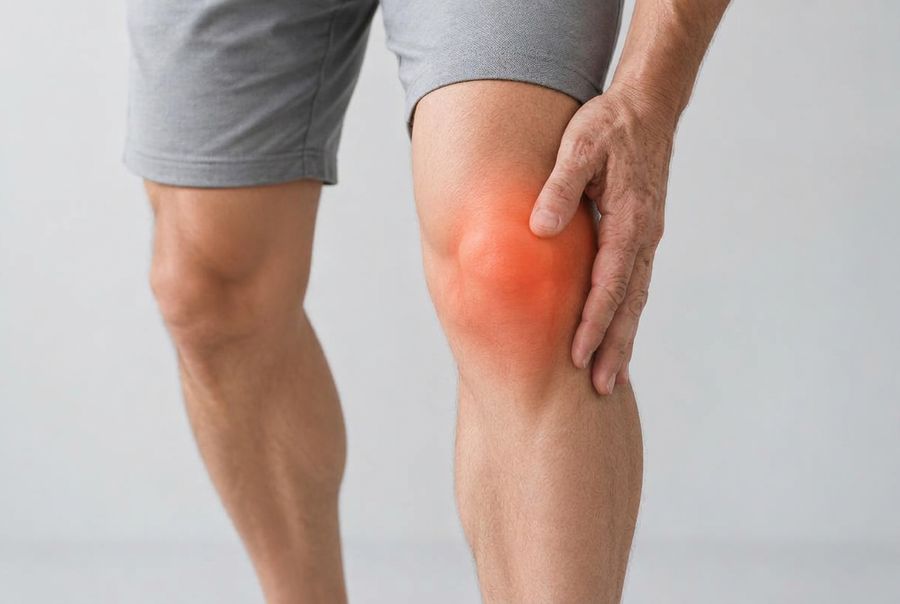
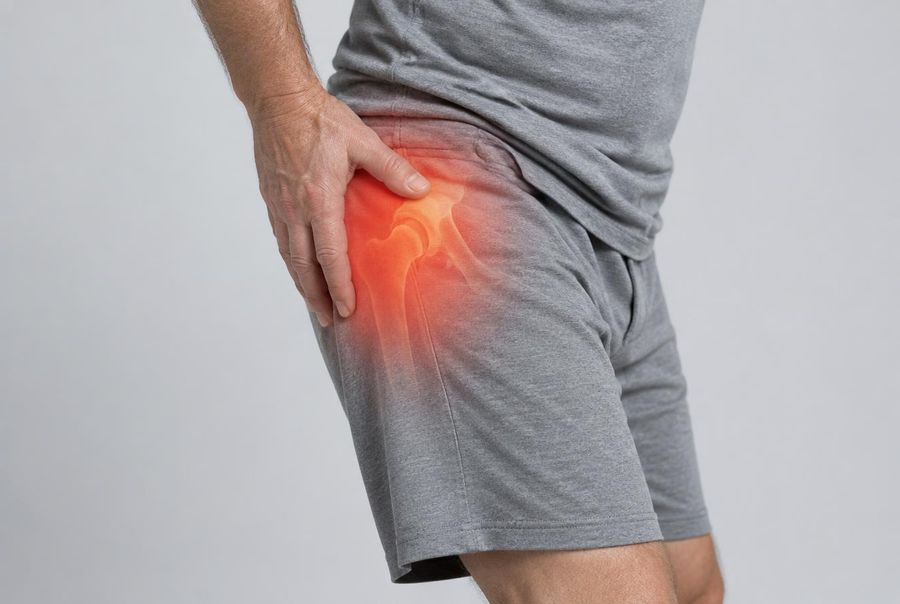
Joint pain is a symptom, not a complete diagnosis. Two people who describe knee pain may have different causes, other health conditions, and practical needs. Even people with the same diagnosis can differ in the severity and impact of their symptoms. Advice that helped someone else may therefore be unsuitable or incomplete for you.
An individual conversation asks what has changed, how the symptoms developed, and which activities are affected. It also considers what you have already tried and what you want to understand. This context helps prevent a treatment choice from being based only on a label, an image, or a story online. General education is useful preparation, but it cannot take the place of assessment.
Your health history can change the options
Other conditions, previous procedures, medicines, and allergies can influence the safety and practical suitability of a plan. Mention them even if they do not seem connected with the painful joint. A recommendation that ignores these details may miss important limitations or the need for coordination with another member of your usual care team.
A medication list and a short account of earlier treatment are useful. Say how long any improvement lasted and whether there were adverse effects. If you cannot recall a product or procedure, bring the records you have rather than guessing. Do not stop prescribed medicine in anticipation of a new treatment unless the medical team responsible for your care has advised you to do so.
Examination and imaging answer different questions
A history describes your experience; examination adds information about movement, swelling, tenderness, or function. Imaging can show selected structures, but it does not describe all the effects on daily life. These parts of assessment should be considered together. Ask how the findings support the explanation and what remains uncertain.
An online first consultation may help review records and organise questions, but certain findings need in person assessment. Some situations require referral or additional investigations before any treatment discussion. More tests are not always the answer: ask whether a proposed test would change management. A careful team should explain the limits of both remote advice and the available information.
Goals should reflect daily life, not promises
You may want to understand why stairs hurt, compare non surgical options, or clarify whether a specialist referral is needed. Different goals lead to different conversations. Be specific about work, sleep, family responsibilities, and travel, while recognising that a goal is not a guaranteed outcome from treatment.
Ask how any proposed plan would be reviewed and which measures matter. Function, symptoms, adverse effects, and the demands of attending appointments can all be relevant. A plan that is impractical for your circumstances deserves discussion. You can also ask whether there is a staged approach and what would prompt reconsidering the recommendation. A clear explanation is more valuable than a broad assurance.
Comparing evidence for the relevant options
Options may include tailored exercise, physiotherapy, medicines, injections, surgical assessment, or other interventions, depending on the diagnosis. The discussion should explain which choices are appropriate and why. Ask about the intended purpose, expected practical demands, risks, limitations, and alternatives. Continuing existing care or seeking another opinion can also be part of an informed discussion.
For stem cell therapy, suitability cannot be inferred from a general article. Ask about the exact product, procedure, evidence for the condition, and regulatory status in Thailand. Studies are not interchangeable, and a laboratory certificate is not proof of effectiveness. A responsible explanation includes uncertainty and does not promise a cure, guaranteed improvement, or restoration of cartilage.
What an informed decision should include
Before agreeing to a treatment, request written information that describes the plan, relevant risks, alternatives, and follow up. Ask who will answer questions and how problems would be managed. Discuss the total estimated cost and what is excluded. The free first consultation should be distinguished from any charges for tests, further visits, and treatment.
You should have room to consider the information rather than feel pressured to decide immediately. If travelling, clarify which appointments require being in Bangkok and how follow up would work at home. Make sure your usual care team has the information it needs. Personal assessment supports an informed choice; it does not automatically make an uncertain treatment effective or remove its risks.
How to arrange a useful first conversation
Prepare a symptom timeline, a list of medicines and previous treatments, relevant records, and your key questions. Ask which records can be sent before the appointment and which format is suitable. JointCare Bangkok offers a free first consultation online or in person at APAC Tower. Further assessment may still be needed before recommendations can be made.
If symptoms are rapidly changing, do not assume a routine appointment is the right route. Seek appropriate urgent care for warning signs rather than waiting for a treatment enquiry response. For nonurgent questions, the coordination team can help with scheduling and preparation. The goal of the first conversation is to establish what can be discussed now and what information is needed next.
When should you seek urgent medical help?
Do not wait for a routine joint consultation if a joint becomes hot and swollen and you also feel unwell or have a fever. Sudden severe symptoms, inability to put weight on a joint after an injury, or a new loss of movement need prompt assessment. The appropriate service depends on the situation and your location; use local urgent or emergency care rather than a website enquiry form.
New bladder or bowel changes, numbness around the groin or buttocks, or significant new weakness with back symptoms can require emergency assessment. This is not a complete list of warning signs. If you are unsure how urgent a change is, contact a suitable local medical service. An educational article cannot assess an emergency or tell you that it is safe to wait.
Key points to remember
Use this guide to organise questions, not to select a treatment or diagnose yourself. Your history, examination, health factors, and priorities all contribute to the discussion. Ask for explanations in plain language, compare the relevant alternatives, and request written information about costs, risks, uncertainty, and follow up before making a decision.
The sources below provide background information from public health and clinical guidance organisations. They do not endorse JointCare Bangkok or establish suitability for any clinic procedure. References to guidance from another country should be read in that jurisdiction’s context. The medical team should explain how any proposed care relates to your condition and the rules applicable in Thailand.