Guides
Stem cell therapy for wrist and hand pain: what a consultation should cover
Understand common causes of wrist and hand pain, how it is assessed, and what to ask before considering stem cell therapy.
Educational content, not individual medical advice.
At a glance
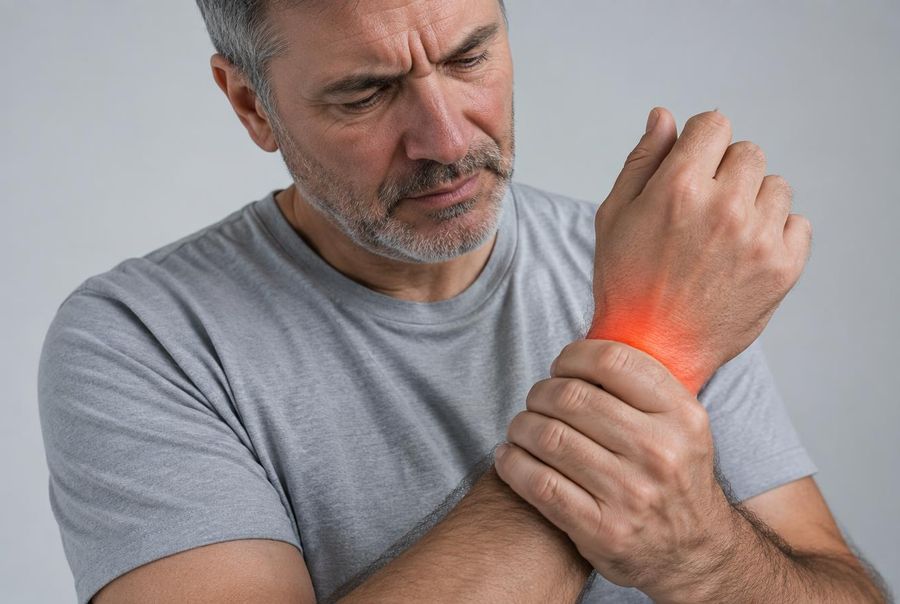
Wrist and hand pain can involve small joints, tendons, or nerves, and each points to different care. This guide explains assessment, usual treatment, and the questions worth asking before deciding anything.
Why wrist and hand pain has many possible causes
The wrist and hand contain many small joints, tendons, and nerves packed closely together, so discomfort can have several explanations. The base of the thumb is a common site of osteoarthritis, tendon problems can cause catching or pain with gripping, and nerve compression can produce tingling and night symptoms rather than pain alone.
The pattern of symptoms matters more than the location alone. Aching with use and stiffness in the morning, a tender ridge along the palm, swelling at the back of the wrist, or pins and needles in specific fingers each suggest different structures. Describe these details plainly, including when symptoms are worst and which tasks provoke them, so the assessment can focus on the right possibilities.
How the medical team assesses wrist and hand pain
Assessment usually combines your history with an examination of individual joints, tendon movement, and nerve function, including sensation and strength in specific fingers. Because the structures are small and close together, a careful hand examination often identifies the cause without imaging.
X rays can show joint changes, and ultrasound or MRI can clarify tendon or soft tissue problems when needed, but findings must fit your symptoms. Ask whether an existing scan is enough, whether a new test would change management, and what each possible finding would mean. Imaging of small joints shows age related changes in many people without pain, so a report alone does not settle the diagnosis.
What first line care usually includes
For many wrist and hand problems, first line care includes activity adjustments, splinting for specific conditions, structured exercises, and simple pain relief where appropriate. For hand osteoarthritis, guidance such as NICE NG226 emphasises exercise, information, and support as core care. Small joint function often responds well to well chosen adaptations at work and home.
Ask how long a trial of these measures should run before progress is reviewed, and what improvement would look like in daily terms such as opening jars, typing, or sleeping without night symptoms. Hand problems respond slowly, and frequent changes of approach can make it hard to judge what is working. A written plan with review points helps you and the team judge progress honestly.
When injections or surgery may be discussed
Injections may be discussed for certain conditions, such as a painful flare in a specific joint or tendon narrowing that limits movement. Each option carries its own evidence, duration of effect, and risks, including effects on nearby tissues in small joints. Ask what an injection should achieve and how its benefit would be assessed over time.
Surgical assessment may be relevant for some people, for example with persistent nerve compression, a locked tendon, or joint damage that limits function. The decision should follow the fit between examination, imaging, and your daily difficulties. A balanced discussion should also describe what continuing non surgical care would involve, so the comparison is genuinely informed.
Where stem cell therapy fits for wrist and hand pain
Research on cell based approaches for the small joints of the wrist and hand is limited compared with larger joints. Studies differ in the cells used, dose, technique, and conditions investigated, and the results of one small study cannot be generalised to a different product or person. For these joints, the evidence base should be described honestly rather than presented as established.
If stem cell therapy is discussed for your wrist or hand, ask which structure would be treated, what the product is, how it is prepared and tested, and which published research covers that approach for that condition. Ask about risks, unknowns, cost, and the regulatory status in Thailand. Be cautious of any promise of cartilage regrowth or nerve repair, and treat a laboratory report as a starting point for questions rather than proof of benefit.
Questions to bring to a consultation
Useful questions include: Is the problem in the joints, the tendons, or the nerves? What is still uncertain? Would imaging change the plan? Which options are relevant to my condition, and what does each aim to achieve? How will progress be measured, and who will provide follow up? What should I do if symptoms change between appointments?
Bring previous reports, a medicines list, and a note of what you have already tried. Describe the hand tasks that matter most to you, from buttoning clothing to using a keyboard, because small joint care is judged against real daily function. Ask for written information about any proposed treatment before agreeing to it.
Planning a consultation in Bangkok
JointCare Bangkok offers a free first consultation online or in person at APAC Tower, 1319 Sukhumvit Road. An online appointment can review your history and reports, but examining the hand and wrist is best done in person. Ask which format is suitable before arranging travel.
For international visitors, clarify the expected number of visits, whether imaging or splinting can be arranged locally first, and how follow up would work after returning home. Request written pricing that separates the free first consultation from any tests or treatment. Keep your usual care team informed so that records and decisions remain coordinated.
When should you seek urgent medical help?
Do not wait for a routine joint consultation if a joint becomes hot and swollen and you also feel unwell or have a fever. Sudden severe symptoms, inability to put weight on a joint after an injury, or a new loss of movement need prompt assessment. The appropriate service depends on the situation and your location; use local urgent or emergency care rather than a website enquiry form.
New bladder or bowel changes, numbness around the groin or buttocks, or significant new weakness with back symptoms can require emergency assessment. This is not a complete list of warning signs. If you are unsure how urgent a change is, contact a suitable local medical service. An educational article cannot assess an emergency or tell you that it is safe to wait.
Key points to remember
Use this guide to organise questions, not to select a treatment or diagnose yourself. Your history, examination, health factors, and priorities all contribute to the discussion. Ask for explanations in plain language, compare the relevant alternatives, and request written information about costs, risks, uncertainty, and follow up before making a decision.
The sources below provide background information from public health and clinical guidance organisations. They do not endorse JointCare Bangkok or establish suitability for any clinic procedure. References to guidance from another country should be read in that jurisdiction’s context. The medical team should explain how any proposed care relates to your condition and the rules applicable in Thailand.